
By Izzy Giacoppo
Every recipe is different, except for one step: safety first!
As fun and carefree as it is to chef it up in the kitchen, safety should never be dismissed. Sometimes safety tips seem like common sense, but I know from experience that there are lots of risks in the kitchen that you don’t realize. I’ll admit that I accidentally left a bottle of sparkling wine in the freezer and learned from a quick Google search that doing so could very much lead to the bottle exploding. I got lucky, though, and there was no explosion. But, it’s simple carelessness like this that could lead to mishaps that ruin your dinner plans.
One of the very first–and very important–things I learned about cooking is to curl your fingers when using a knife. Imagine you’re cutting an onion: you have one hand on the knife and the other holding the onion. The fingers on the onion should not be flat on top of the onion; they should be curled in with your nails facing down to keep your fingertips safe. You also have the onion on a cutting board, but it slides on the counter, which can be dangerous. To keep the board from sliding, place a moist paper towel underneath it.
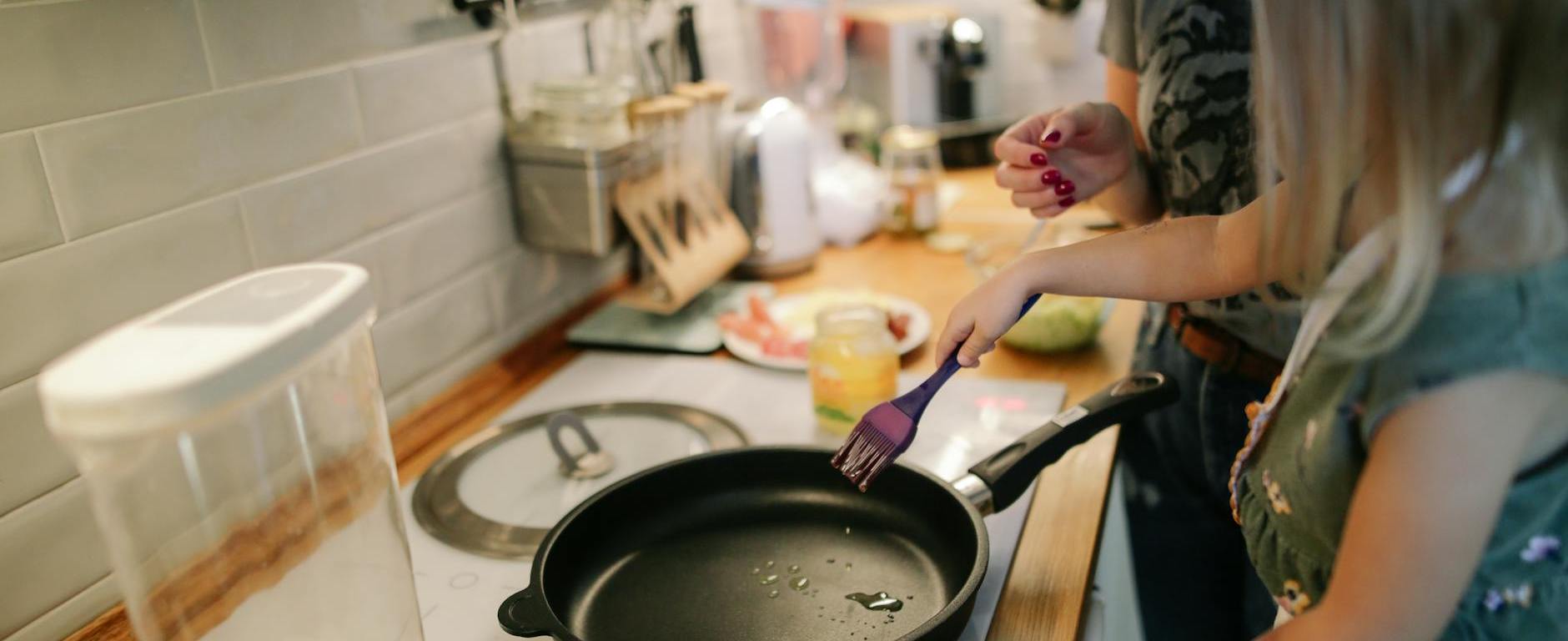
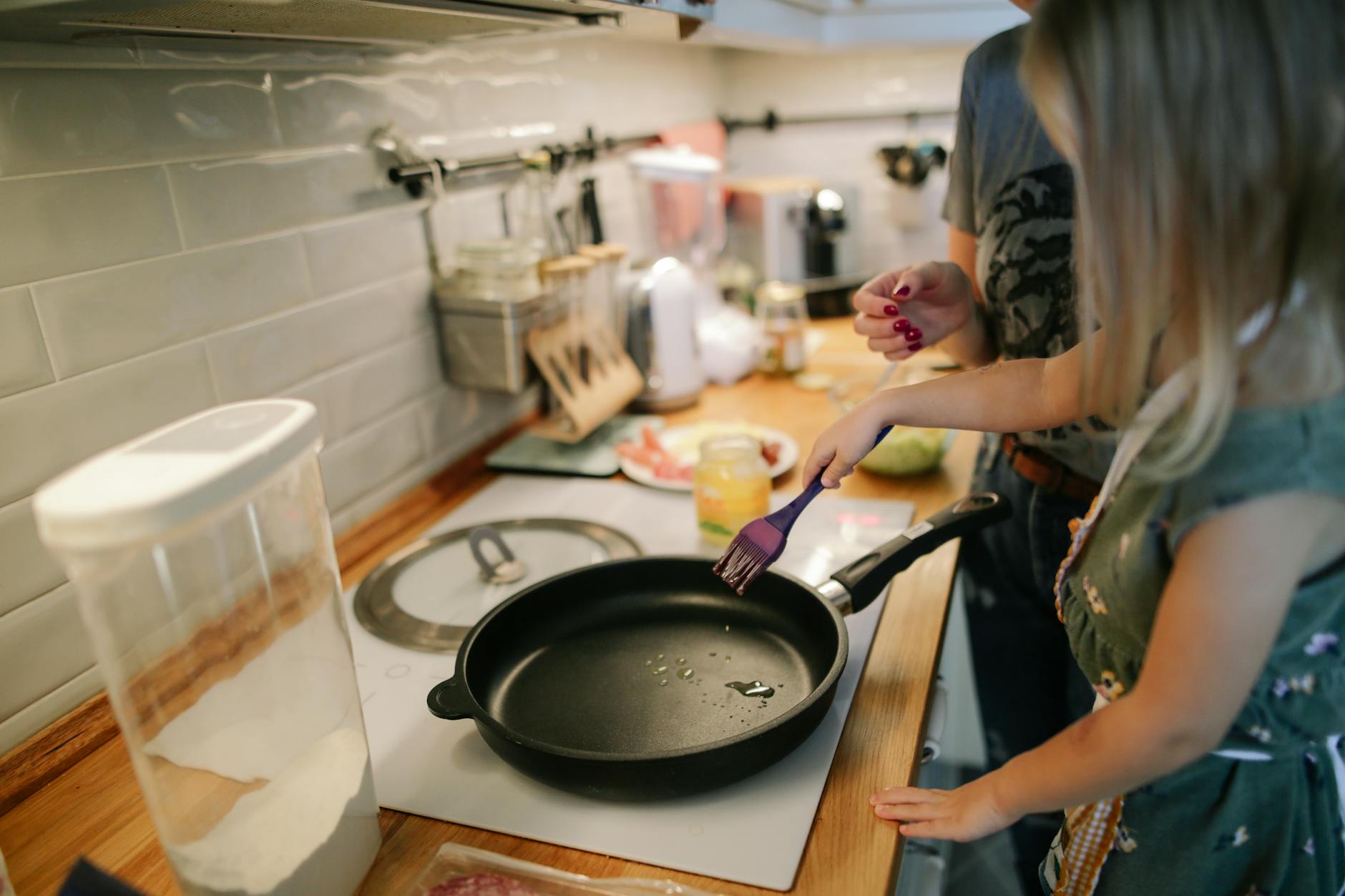
Now let’s imagine you need to use the stove. Before the burner is lit, make sure there is nothing flammable nearby and turn on the fan so it doesn’t get too smoky once the burner is on. Even when it’s off, let the fan go a little longer to properly clear the air. Another important thing to remember when the burner is off, is to double check that it is really off. While you use the stove, make sure that any pot or pan handles aren’t hanging over the edge. This is something I see people do all the time in the kitchen, and you have to understand that doing this is dangerous because you can hit the handle, causing the hot contents to splatter. If you carry the pot or pan off the stove, check all around you first to be certain nothing will cause you to lose your footing. Now that we’ve we got the stove covered–let’s move down to the oven. Before turning it on, check if any pans are inside. If there are, take them out. You also have to ensure the oven is clean because dirty ovens start fires.
It’s time to talk about hygiene! Hopefully you know to wash your hands before cooking and after touching raw ingredients like eggs and meat. You also have to pay attention to your raw ingredients and make sure they don’t touch anything and that whatever they touch doesn’t touch anything else. When working with eggs, it’s a good idea to crack them into a separate bowl before mixing them with anything. This is because if you crack an egg directly into ingredients, you might not see any eggshells. Once your food is cooked, it’s important to remember not to leave leftovers out for too long. The safest rule to follow is to put them in the fridge as soon as possible.
Lastly, I’lll leave you with two sayings to remember:
- Clean as you go
- Better safe than sorry.
Cleaning as you go prevents you from knocking things over and from cross-contaminating. This may feel tedious, especially if you want your food ready as quickly as possible, but that’s why we say it’s better to be safe than sorry. It’s much better to have your food delayed because of extra precaution than because of an avoidable injury.

 baked magazine