
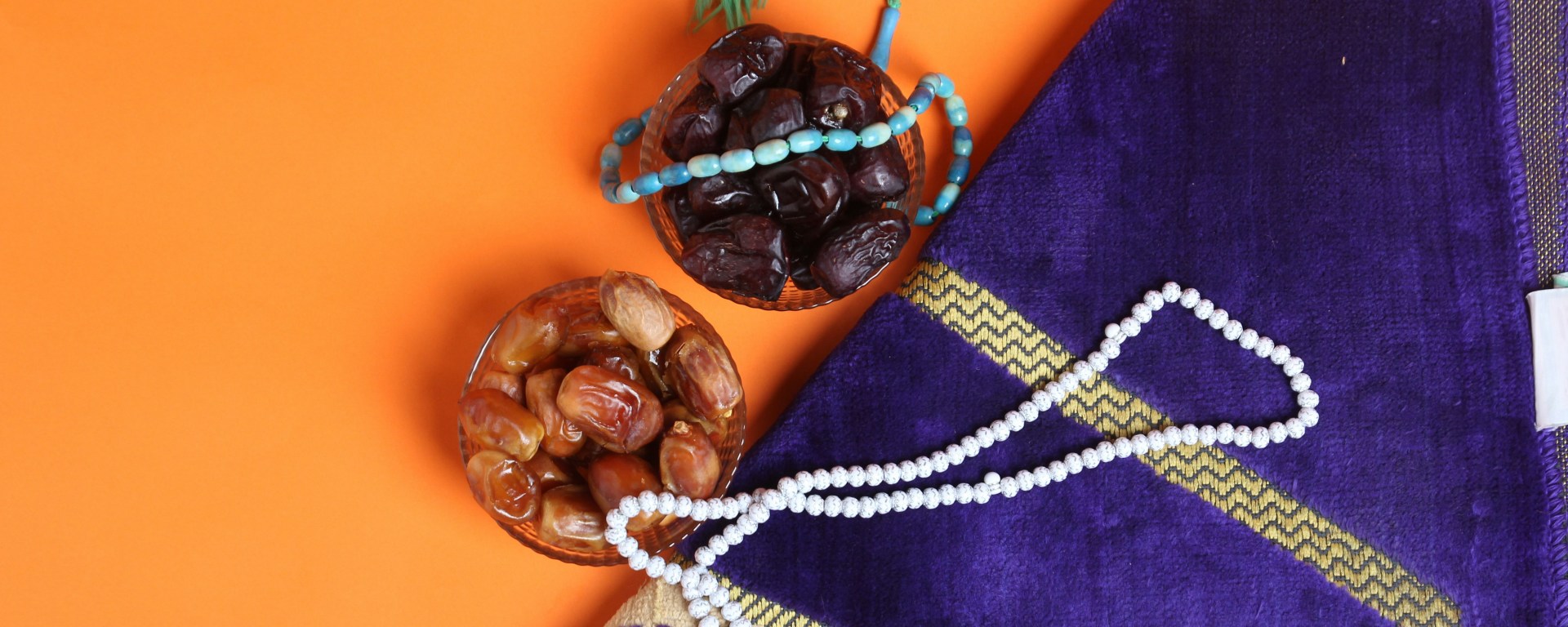
By Ayah Abdel-Aziz, Photos By Rauf Alvi (Unsplash)
The Islamic holy month of Ramadan is a time when Muslims fast from sunrise to sunset for an entire month without food or water, strengthening their Islamic faith. Before dawn, Muslims eat a meal called “Suhoor” to prepare their bodies for the day of fasting, and ultimately break their fast when the sun sets with a meal called “Iftar.”
For Iftar, breaking fast with water and a date is customary before enjoying a main course meal. Some may only opt for water and a date for Suhoor, while others want a full-fledged breakfast. Varying cultures worldwide have unique traditional foods they eat for both meals, so I asked some of my Muslim friends about their favorite cultural meals during Ramadan. Here are their responses, a brief description of their traditional foods, and a link with a recipe of how to make them!
Malak Aljerrari: Morocco
“My Iftars are very much Moroccan; some staples are eggs with melodic, harira soup, and chebakia (a desert). I can’t have Iftar without these sides.”
1. Moroccan Meloui is a diffusion between pancakes and crepes. They are fluffy yet flaky, making for the perfect Suhoor. (Recipe: https://tasteofmaroc.com/moroccan-meloui-recipe/)
2. Harira soup is a traditional Moroccan tomato-based soup made with chickpeas and lentils that many break their fasts within Morocco for Iftar. (Recipe: https://www.thespruceeats.com/classic-moroccan-harira-soup-2394920)
3. Chebakia are delicious fried Moroccan honey sesame cookies with a flower-like shape. These are typically enjoyed late in the night between Iftar and Suhoor. (Recipe: https://www.thespruceeats.com/moroccan-sesame-cookies-with-honey-2394409)
Gigi Abdel-Fatah: Palestine
“My favorite cultural food for Iftar is an Arabic Mashawi platter with Falafel, grilled chicken, and hummus. Although I don’t always wake up for Suhoor, when I do, I eat Nawashif, an Arabic breakfast, with my family.”
1. Mashawi with Falafel and Hummus is a platter of basmati rice layered with richly marinated grilled chicken. Mashawi is typically served alongside Falafel, deep-fried chickpea balls, and hummus, a chickpea spread, making for the perfect combo of a tangy, nutty, and creamy meal that Palestinians and others from the Levant enjoy. (Recipe: https://www.bonappetit.com/recipe/grilled-chicken-skewers-with-toum-shish-taouk)
2. Nawashif is a customary Middle Eastern breakfast spread of boiled eggs, pickled vegetables, cucumber and tomatoes, pita bread, hummus, Falafel, labneh (rich yogurt spread), and oil with a za’atar spice blend enjoyed by families for Suhoor. (Recipe: https://chefindisguise.com/2016/01/21/middle-eastern-breakfast-take-1-fool-falafel-pita-bread/)
Sarenur Turan: Turkey
“My favorite Iftar foods are Turkish lentil soup and börek, a pastry stuffed with meat, cheese, and spinach.”
1. Mercimek Çorbasi is a rich blend of red lentils, veggies, and spices and a staple on many Turks’ Iftar tables. (Recipe: https://www.themediterraneandish.com/turkish-lentil-soup/)
2. Börek is a flaky pastry filled with Turkish cheese dating back to the Ottoman Empire. It is baked until golden and typically enjoyed for Iftar. (Recipe: https://www.greatbritishchefs.com/recipes/borek-recipe)


 baked magazine