
By Milena Chiari
It’s the green, crunchy filling that swept TikTok off its feet in 2023. Now, it’s become one of the most popular desserts around the world. The question remains: has it gone too far?
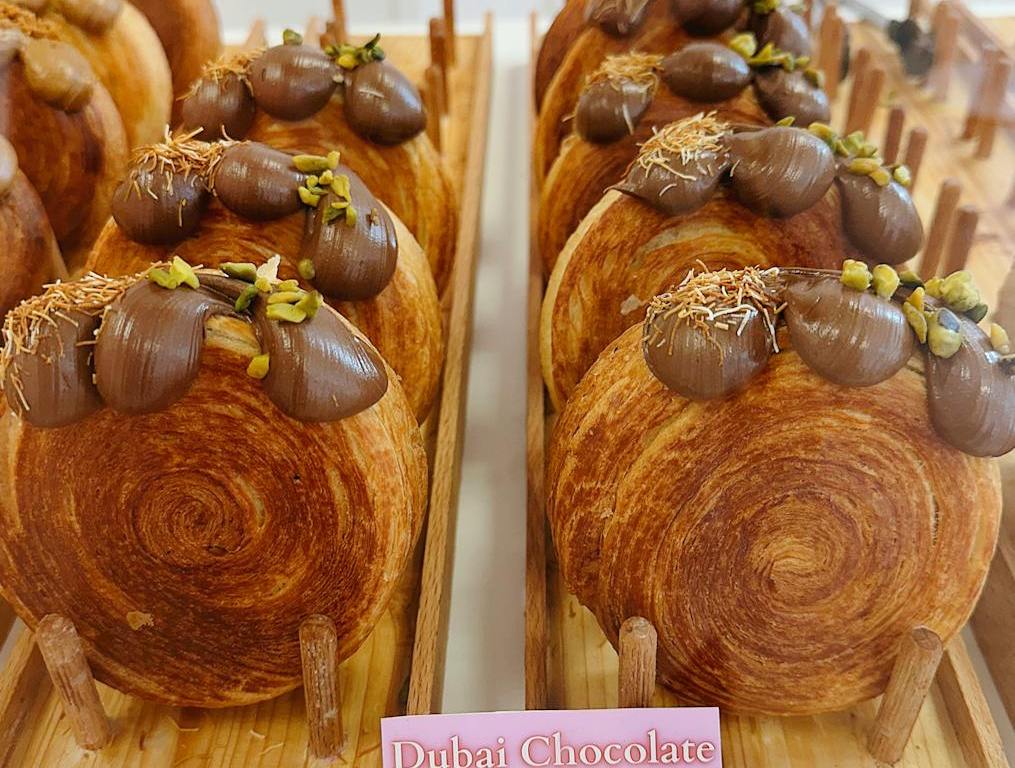
I remember when I first tried Dubai chocolate in early 2024, just a few weeks after TikTok creator Maria Vehera’s video went viral. Vehera’s video sparked a worldwide craze, with millions of people scrambling to get their hands on the dessert.
The original treat was created by the Dubai-based company Fix Chocolatiers, whose best-selling product “Can’t Get Knafeh of It,” started it all.
Sarah Hamouda, a British-Egyptian engineer, invented the chocolate after craving knafeh during her pregnancy. Knafeh is the traditional Arabic dessert that ultimately inspired Dubai chocolate. When many people couldn’t buy the original, they eagerly began making their own versions, most of them incorporating pistachio cream and shredded phyllo dough (kadayif).

I bought a chocolate mold and got to work, even teaching myself how to temper chocolate in the process. The final result opened my eyes to flavors I’d been missing all my life. The rich pistachio paired with the crunchy phyllo was a perfect combination, and I instantly understood the eagerness of everyone online.
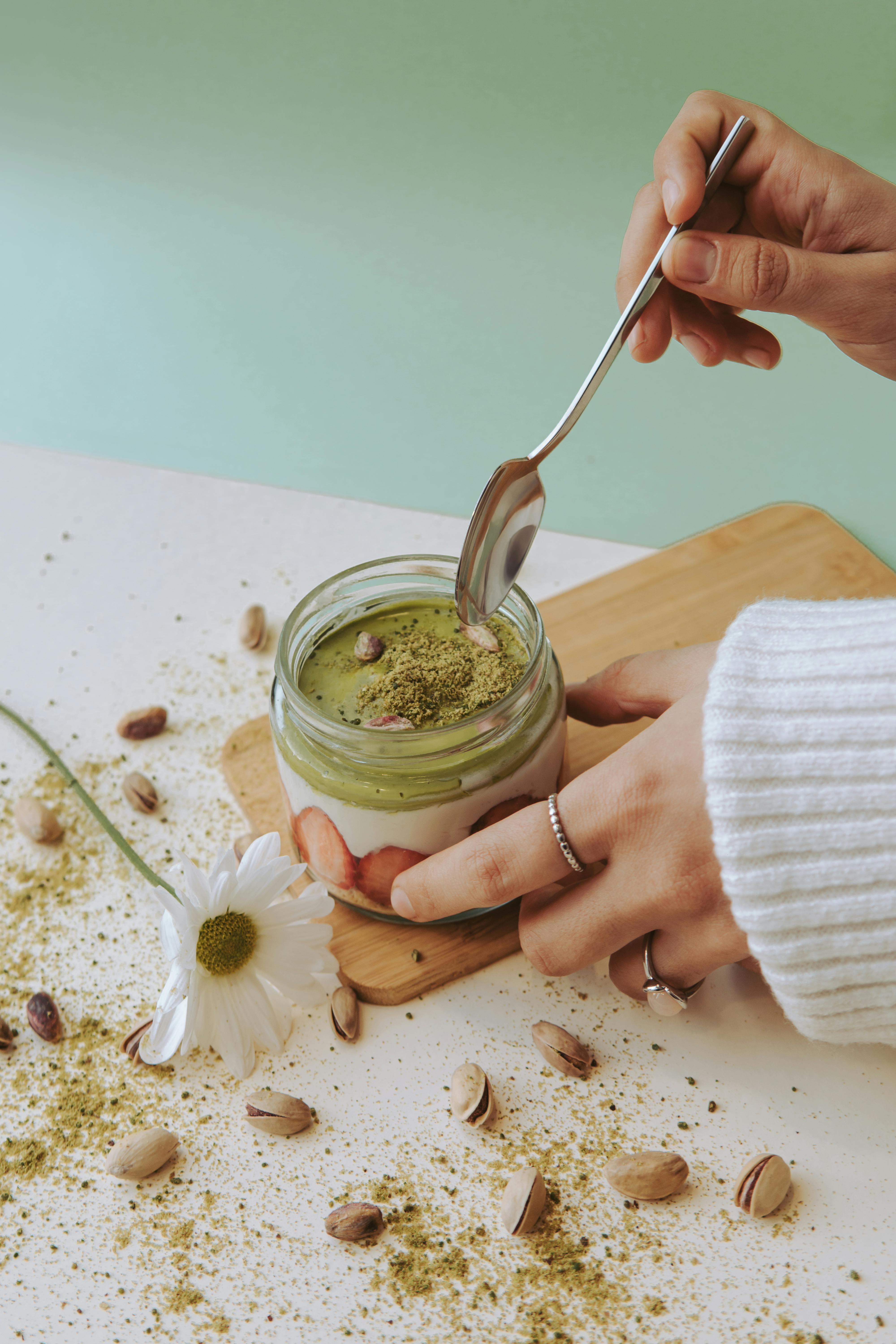
Over the next few months, Dubai chocolate’s popularity exploded, and so did my fascination with pistachio-flavored treats. I even made my own pistachio butter, done simply by blending roasted pistachios into a smooth paste. At one point, I even began to believe my obsession was getting out of hand. But soon, I realized I wasn’t alone in this obsessive feeling. Lindt, the world-famous chocolatier, released its own version of the dessert, and that’s when I noticed something interesting.
Until then, everyone had been calling the treat “Dubai chocolate” simply because they didn’t know what else to call it. When Lindt launched its version they named it “Dubai-Style Chocolate.” It became clear that most people were avoiding the dessert’s true name, and instead reducing it to a label tied to a country rather than its cultural roots.
Later on, Crumbl debuted its Dubai Chocolate Brownie, which sold for over $10 per piece. The dessert went viral yet again, selling out within three days of its release. This pattern continued when it returned about a month later.
Going back to the original dessert. Knafeh, a beloved Arab dessert made with kadayif, layers of cheese, sweet syrup (attar), and a topping of crushed pistachios. This is the dessert that inspired Hamouda’s creation.
Knafeh is traditionally considered a humble, comforting dessert. So why are people turning it into a hyper-sweet spectacle and calling it “Dubai chocolate”? The viral obsession has grown excessive, creating a kind of gluttony that reflects more about social media culture than culinary appreciation, especially in the world today.
While trying new desserts is a great way to learn about a new culture, it is just as important to recognize and honor its origins. Instead of repackaging a centuries-old dessert into a trend, we should celebrate the culture and craft that made it possible in the first place.
With the next trending food, rather than finding the quickest way to turn to gluttony or consumerism, we should stop and think about how to properly appreciate it. Food is how we see and appreciate the world, and instead of exploiting this wonderful gift we should establish new ways to celebrate them.

 baked magazine