
By Ava Bartholomew
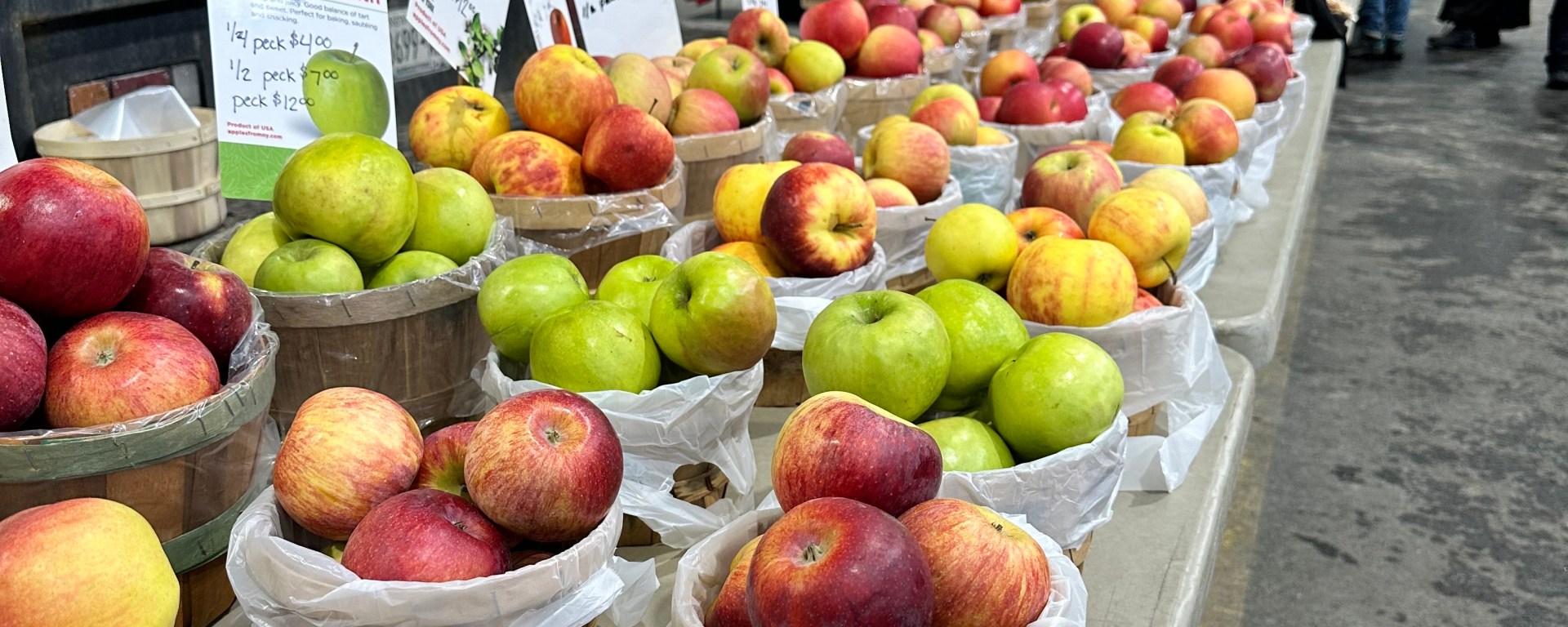
In the new age of climate-conscious consumerism, shopping sustainably is no longer a simple trend or fad – it’s a responsibility. This looming responsibility and obligation can often feel overwhelming, especially when it comes to groceries. It doesn’t have to be though. One of the largest climate concerns in the food industry is the transportation of goods from thousands of miles away to individual grocery stores. The solution? Farmers’ markets! Farmers’ markets eliminate the carbon footprint associated with food transportation almost entirely as they are traditionally locally sourced. Additionally, many vendors often emphasize organic and sustainable approaches to farming. While produce may vary seasonally and the line of vendors can feel daunting, there are many ways to supplement your grocery list with more sustainable options at the farmer’s market. Here’s how:
Go Visit, Wander!
The easiest way to understand what’s available at your local farmers’ market is to go look around and see what there is to offer. This is my grandfather’s favorite way to spend his Saturday mornings and my favorite way to spend time with him. With no goal in mind, he simply makes up his list as he goes and plans his next few meals off of his finds. His trip would not be complete without picking up a knick-knack or two, which he often buys for me as well. Our most recent duo-purchase? Matching llama tote bags!
Make a List, Ask Questions
Making the most of your local farmers’ market doesn’t have to require too much effort. Just make your grocery list as you normally would, and then, before you go to the grocery store, stop at the farmers’ market to see if they have anything you need or any relevant substitutes. Don’t be afraid to ask questions either. Sometimes items may not be on display or they may have something but didn’t bring it that day or ran out. And guess what? The vendors are more than happy to work with you – that’s what they are there for! They might tell you that they have something coming later that day or will have it the following week, but you will not know until you ask. They might even offer suggestions for substitutes or recommendations for other places to get what you need. My favorite question to ask vendors is what their favorite recipes are with what they have out. By asking that question I have found some of my favorite recipes for fried green tomatoes, stir-fry, chili, and various baked goods.
Research
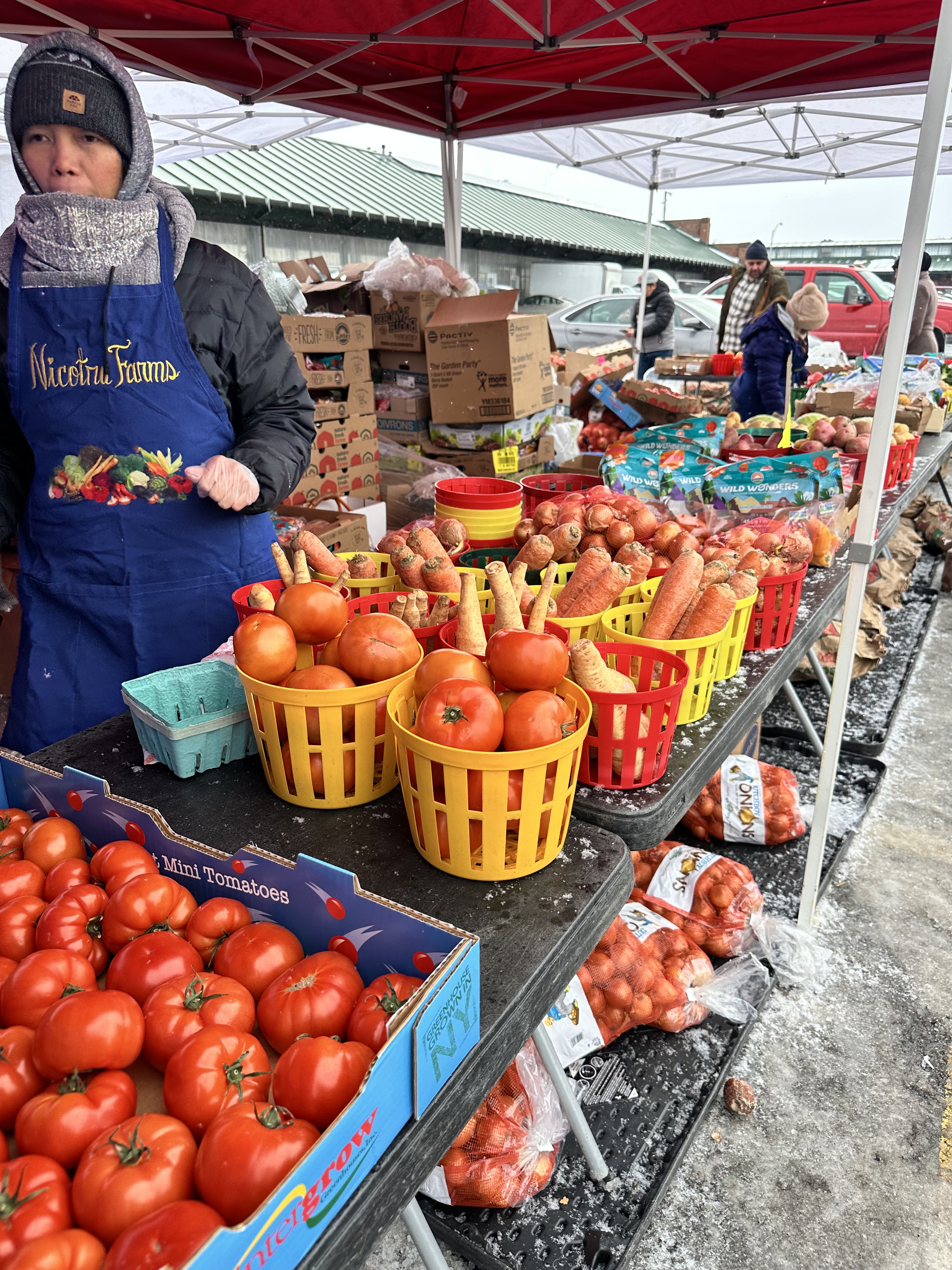
Despite their benefits and aesthetic, farmers’ markets, especially in the colder months, don’t have everything and they can’t come close to competing with any grocery store or supermarket. And that’s for good reason – their products are not shipped from warmer climates. For the average consumer, this can complicate the grocery shopping process. However, a few simple Google searches can tell you exactly what products are in season and tend to be available. To get you started, here are a few goods you are likely to find any time of year:

- Canned Goods: As most already know, canned goods are enjoyable any time of the year and last, seemingly, forever. From peaches and green beans to applesauce and jams, there are so many canned goods to choose from.
- Meats: When farmers aren’t busy harvesting crops, they’re often butchering animals. The cold temperatures make winter the easiest time to begin the butchering process. What makes these animal products superior to those at the grocery store is their background. Oftentimes, these meats are leaner, more local, and more natural. And if you ever have questions about the meat, you can just ask!
- Herbs: Whether fresh or dried, vendors almost always have basic herbs available for purchase! Greenhouses allow many to continue growing these plants for winter harvest. Those that don’t use greenhouses often have dried herbs to substitute.
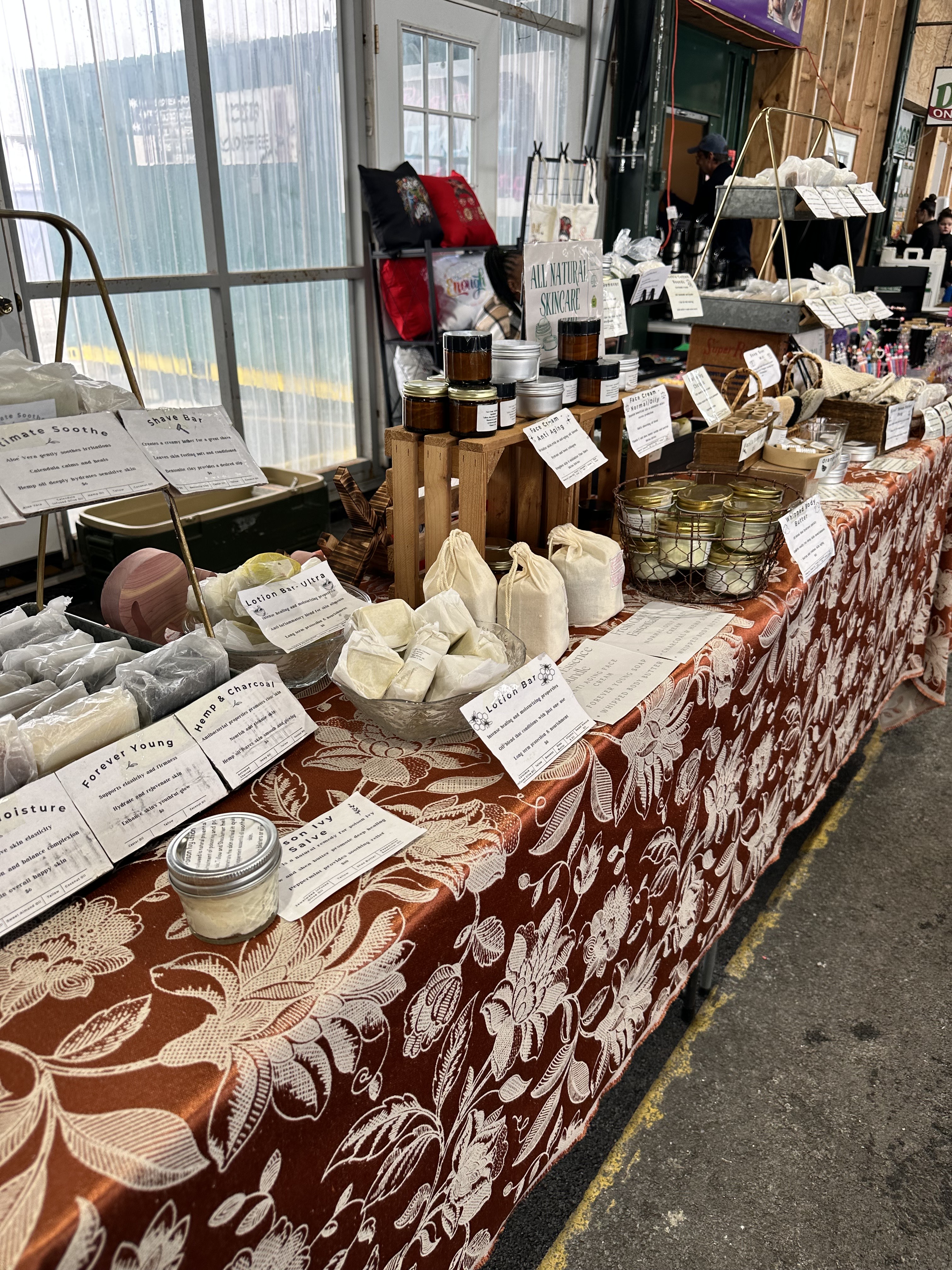
Knick-Knacks: While it’s impossible to say what knick-knacks are available at each vendor, so many have things such as baked goods, candies, desserts, candles, jewelry, decor, and more.

 baked magazine